Future Minimalism in Urban Spaces

Today’s chosen theme: Future Minimalism in Urban Spaces. Step into a city vision where every element earns its place—calmer streets, lighter homes, and technology that quietly supports human life. Join our community, subscribe for thoughtful updates, and share how minimal choices could reshape your neighborhood.

Why Future Minimalism Belongs in Our Cities

Think of a busy intersection where conflicting signs, billboards, and barriers compete. Now picture fewer signals, better timing, and clean sightlines. Barcelona’s superblocks hint at this future: slower cores, simpler choices, and stress that melts as the city stops yelling. Tell us which corners in your city feel too loud.

Design Principles for Minimal Urban Homes

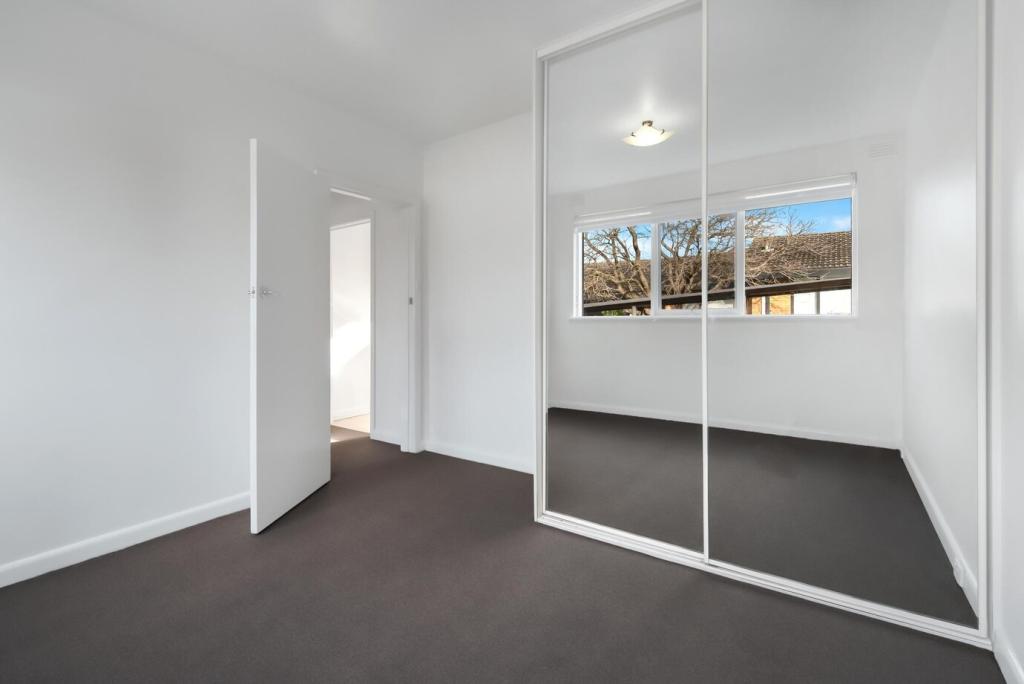
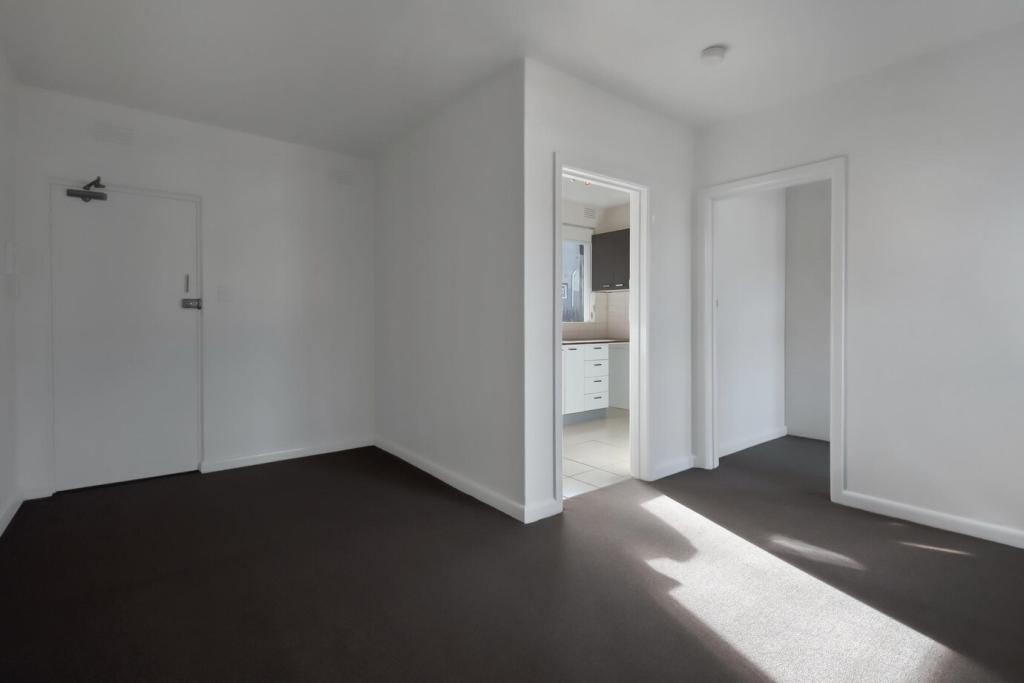
A pared-back home lets meaningful pieces shine: a table inherited from a grandmother, a single painting that anchors the room. Clutter hides narratives; editing reveals them. Minimal urban homes become personal museums with short, honest labels. What is the one object you would keep front and center, and why?

Design Principles for Minimal Urban Homes

Fold-down desks, wall beds, and storage hidden in stair treads allow micro-apartments to breathe. The future favors modularity over square meters, offering comfort through flexibility. You gain a living room by closing a cabinet, not renting another bedroom. Share a modular solution that surprised you with how generous it felt.
Future minimalism promotes legible street hierarchies: quiet slow streets, clear pedestrian axes, and shaded pauses every few blocks. Walking feels intuitive, not heroic. Add a bench, remove a lane, plant a line of trees—the journey transforms. Which street in your city would benefit from a slow-street reset?
Low-Carbon, High-Clarity Materials
Lime plasters, cross-laminated timber, recycled aluminum, and terrazzo with local aggregates create calm palettes that also cut embodied carbon. Repetition reduces detailing and decision fatigue. The eye rests on texture, not decoration. Which material makes you feel grounded and why—stone, wood, or something entirely new?
Invisible Tech, Visible Benefits
Sensors that dim lights, open vents, and reroute cleaning robots should stay out of sight. Interfaces become gentle—haptic nudges, soft indicators, no blinking chaos. The system serves without starring in your attention. Would you trust a building more if its technology felt like a considerate host rather than a loud roommate?
Maintenance as a Design Feature
Designing for fewer parts, accessible panels, and standardized components shrinks lifetime costs. Minimalism loves replaceable modules over bespoke quirks that fail. City benches with bolt-on slats; facades washed by rain patterns, not pressure hoses. Share a maintenance trick you’ve seen that looked simple yet brilliantly sustainable.

Public Spaces with Purpose

Instead of cramming equipment into every corner, minimal parks preserve open lawns, a shaded grove, and a single water feature that anchors memory. Fewer program zones invite more imaginative play. What would you remove from your nearest park to make it more welcoming for multiple generations at once?

Cultural Roots and Global Futures

From Bauhaus clarity to Muji’s quiet utility, minimalism carries a century of experiments. The future folds in climate urgency and social equity. Beauty emerges from restraint with purpose. Which design lineage inspires you most, and how could its spirit make your block more humane today?

Your Role in the Minimal City

Try a one-in, one-out rule, map your daily paths, and remove the obstacle that irritates you most. Notice how energy returns. Then translate that clarity outdoors by writing to your council about a single fix. Share your home experiment below and inspire others to start small today.

Your Role in the Minimal City

Host a ‘quiet corner’ challenge: one block, one week, one intervention—remove one sign, add one tree, test one slow crossing. Measure stress with simple surveys. If outcomes feel calmer, push for permanence. Would you participate if we published a starter kit? Subscribe and comment to get the toolkit first.
Justokadisihat
Privacy Overview

This website uses cookies so that we can provide you with the best user experience possible. Cookie information is stored in your browser and performs functions such as recognising you when you return to our website and helping our team to understand which sections of the website you find most interesting and useful.